







Forts, Fleets, and Flights: History Is Waiting on Maine’s MidCoast
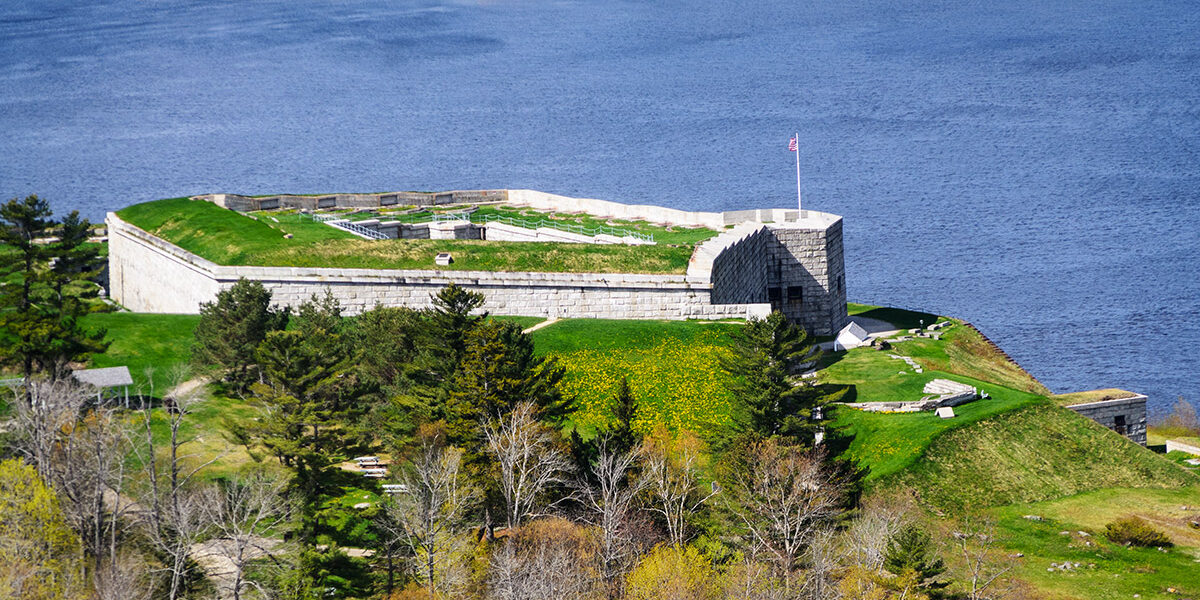
Tucked along the rivers, peninsulas, and harbors of the MidCoast are forts, museums, and historic sites that span four centuries of American military and maritime history. Whether you served in the military, study history, or simply love a great story told in granite and timber, you’ll find something here worth the detour. With Memorial Day on May 25, there’s no better time to explore these sites in person. History is waiting.
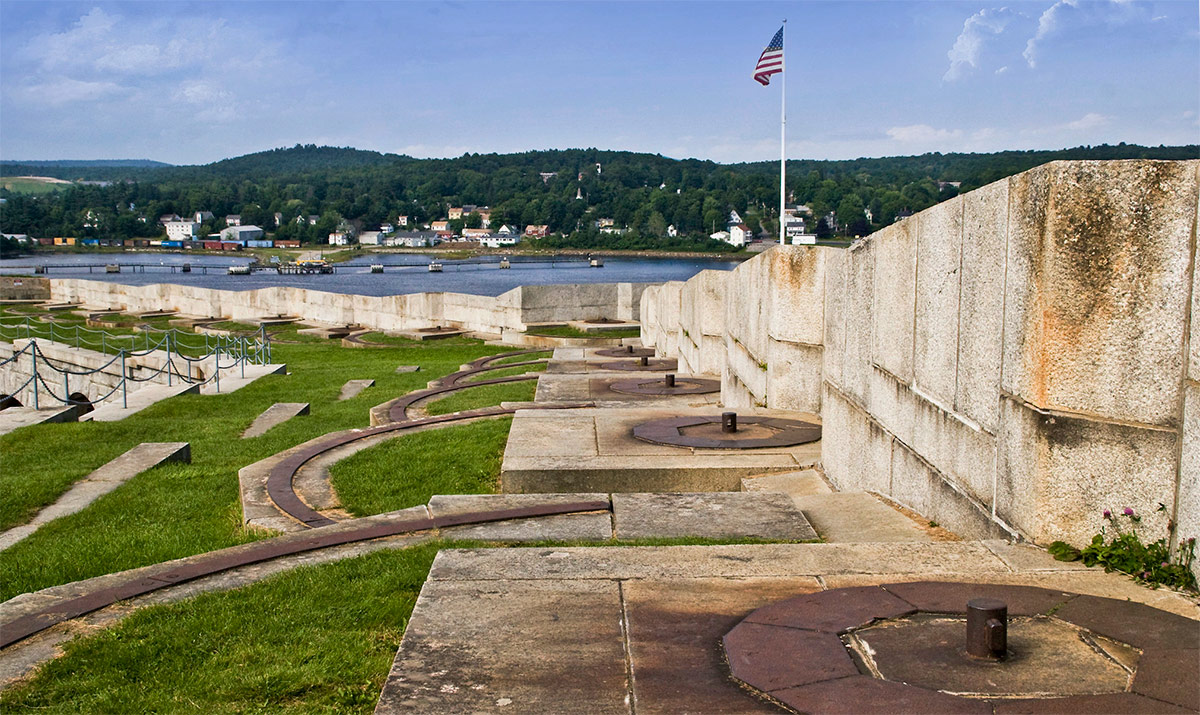
“Fort Knox ramparts” by Liz West, CC BY 2.0 (creativecommons.org/licenses)
Fort Knox – Prospect
Maine’s largest fort is among the best-preserved military forts in New England. Built in 1844, this spectacular granite fort is popular with architecture and history enthusiasts and offers wonderful views of the Penobscot River and the surrounding landscape. There are walking paths and trails for exploring and outdoor activities.
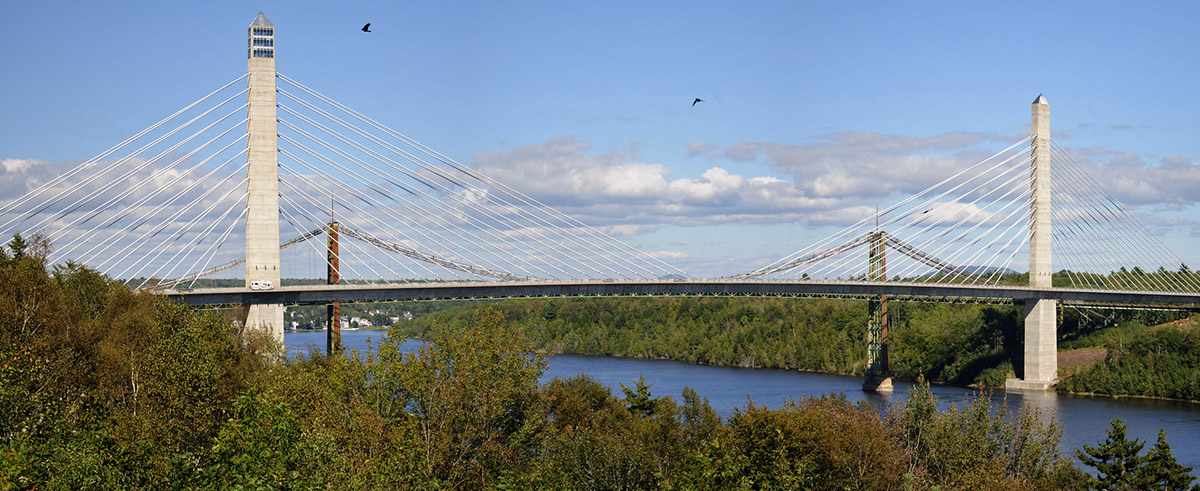
“Penobscot Narrows Bridge (pano)” by Eric Kilby, CC BY-SA 2.0 (creativecommons.org/licenses)
Penobscot Narrows Bridge & Observatory – Prospect
As you approach Fort Knox, you’ll see the extraordinary Penobscot Narrows Bridge & Observatory. This modern bridge features the world’s tallest public bridge observatory. Visitors can take the elevator to the 440-foot-tall observatory for spectacular views of the river and the surrounding countryside. Here’s a video tour of this award-winning bridge.
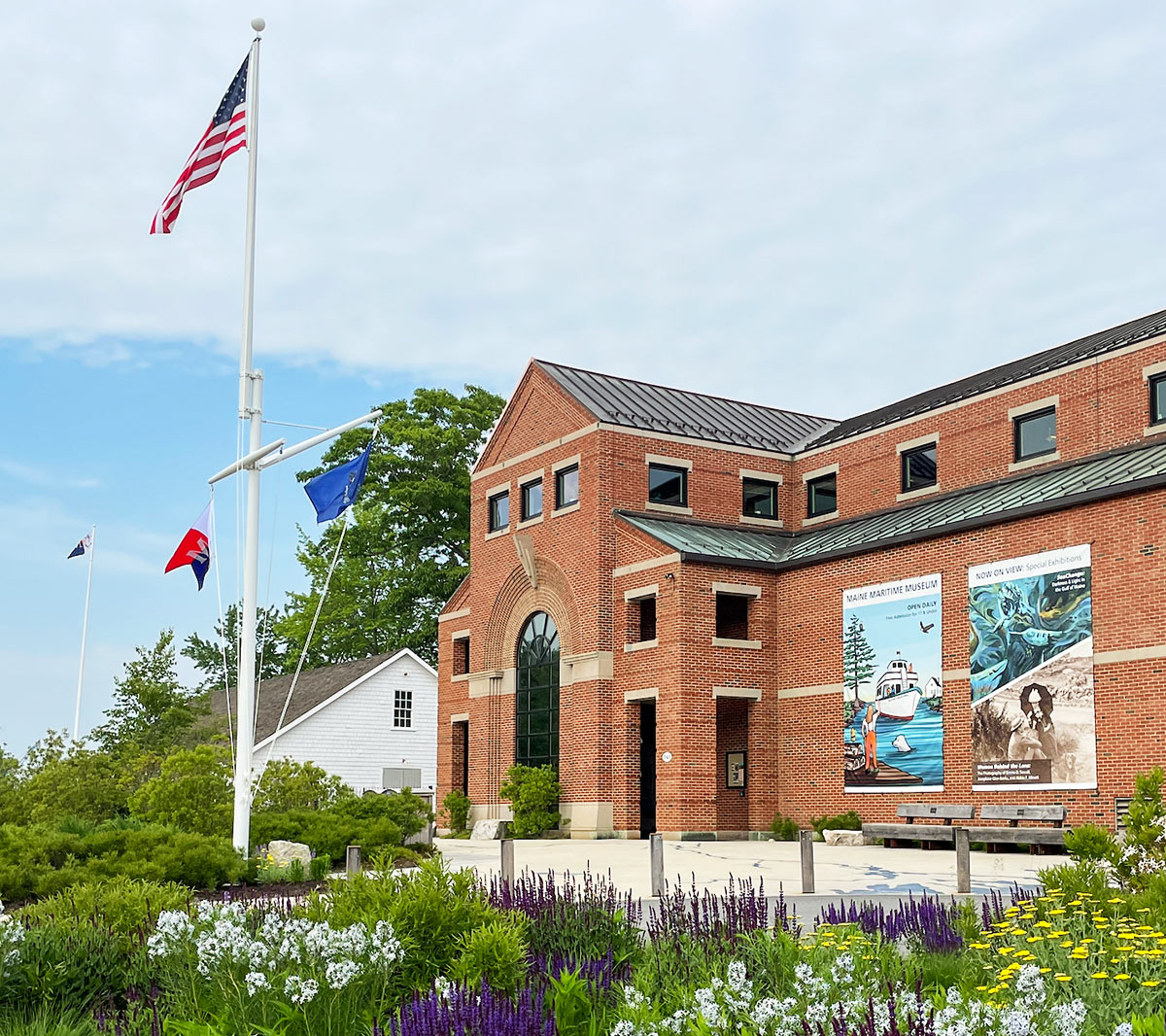
Maine Maritime Museum, Bath, Maine, photo courtesy of Maine Maritime Museum
Maine Maritime Museum – Bath
Maine Maritime Museum was ranked this spring as the best maritime museum in America by USA Today. Set on a beautiful 200-acre campus along the banks of the Kennebec River, you can experience Maine’s rich seafaring history. It’s working Boat Shop keeps wooden boatbuilding traditions alive. Plan a cruise on the 56-ft Merrymeeting boat for a close-up look at lighthouses and coastal wildlife.
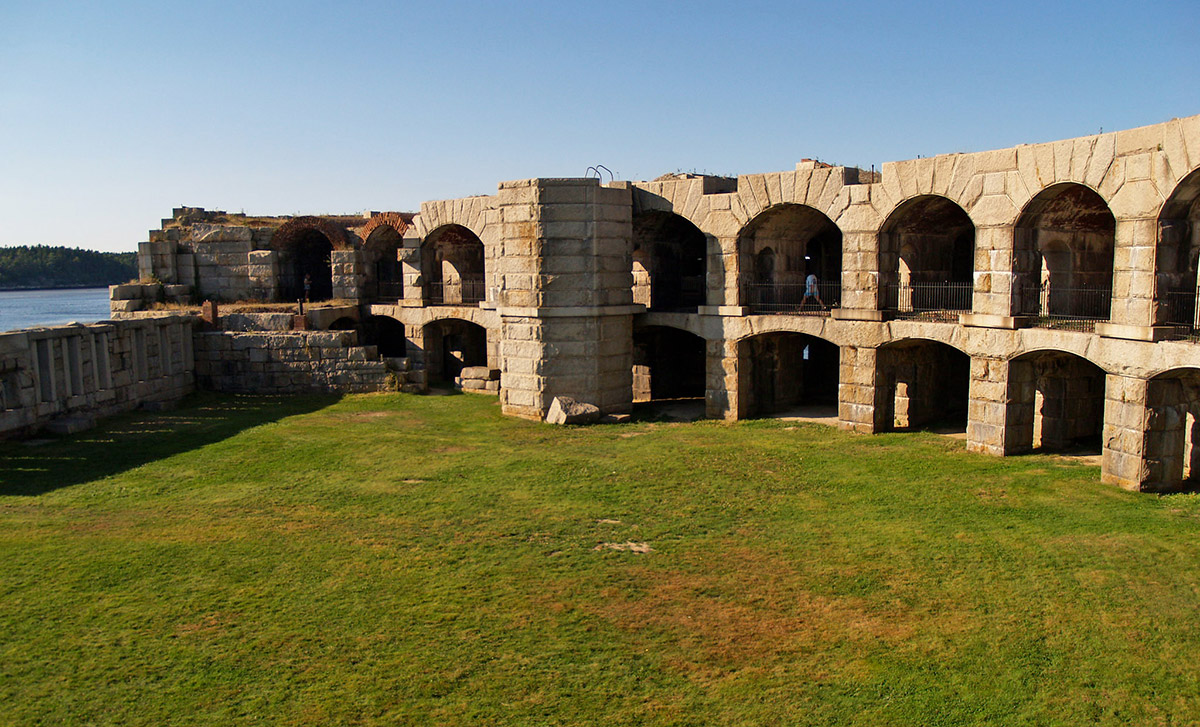
“Fort Popham” by Ernest McGray, Jr., CC BY-SA 2.0 (creativecommons.org/licenses)
Fort Popham State Historic Site – Phippsburg
A mile and a half from beautiful Popham Beach, this historic fort overlooking the sea is an often-overlooked gem for Mainers and visitors alike. Built during the Civil War era, the semi-circular granite Fort Popham was never completed. Earlier, the same location had wooden fortifications that protected settlements during the Revolutionary War and the War of 1812. Not far from
Brunswick Naval Aviation Museum – Brunswick
During World War II and in the decades that followed, the former Naval Air Station served as a base for thousands of men and women supporting the Navy’s aircraft patrol and anti-submarine surveillance missions. The museum features videos and displays of WWII-era British F4U Corsairs and the famed P-2 Neptune and P-3 Orion submarine hunters. Visitors can “fly” the Corsair, P-2, P-3, and a Blue Angel F-18 Hornet in a widescreen flight simulator.
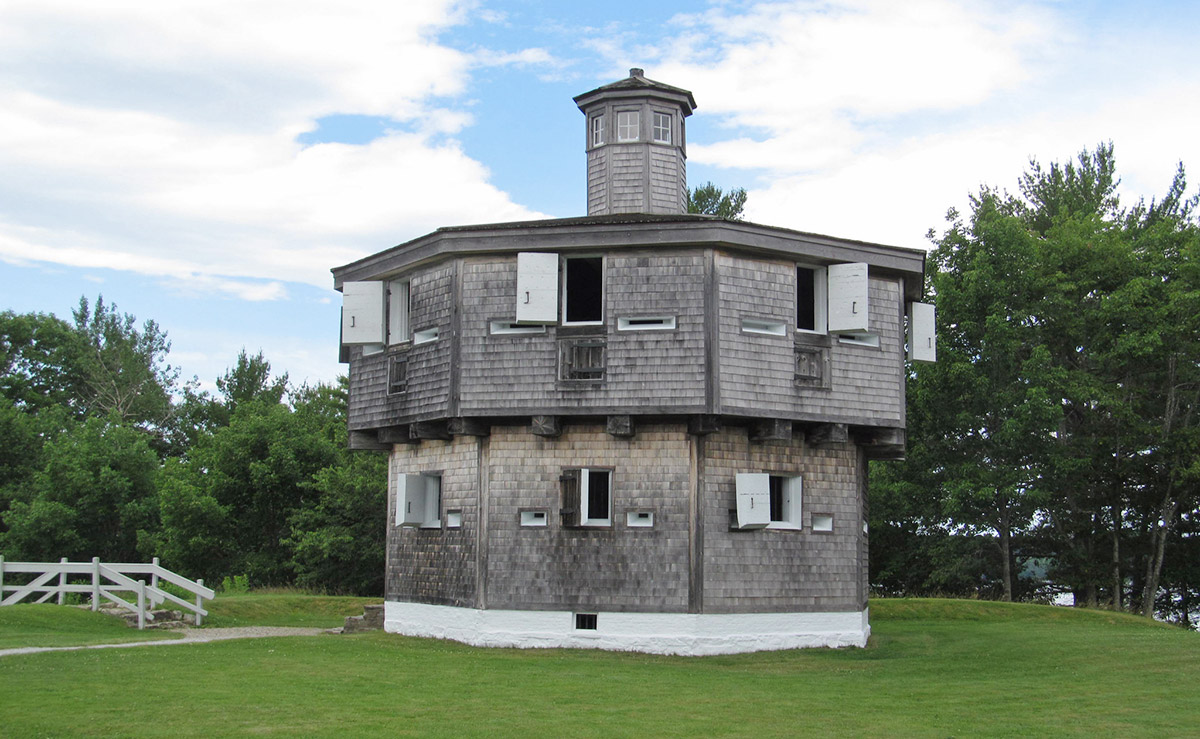
“Fort Edgecomb, Edgecomb, Maine,” by Doug Kerr, CC BY-SA 2.0 (creativecommons.org/licenses)
Fort Edgecomb State Historic Site – Edgecomb
Built in 1808, Fort Edgecomb is a two-story octagonal wooden blockhouse on Davis Island. It was originally built to protect the town of Wiscasset, one of the most important shipping centers north of Boston. It is the nation’s best-preserved blockhouse from this period and is listed on the National Register of Historic Places. Perched high above the Sheepscott River, the fort offers visitors the chance to take in the views through its horizontal musket ports.
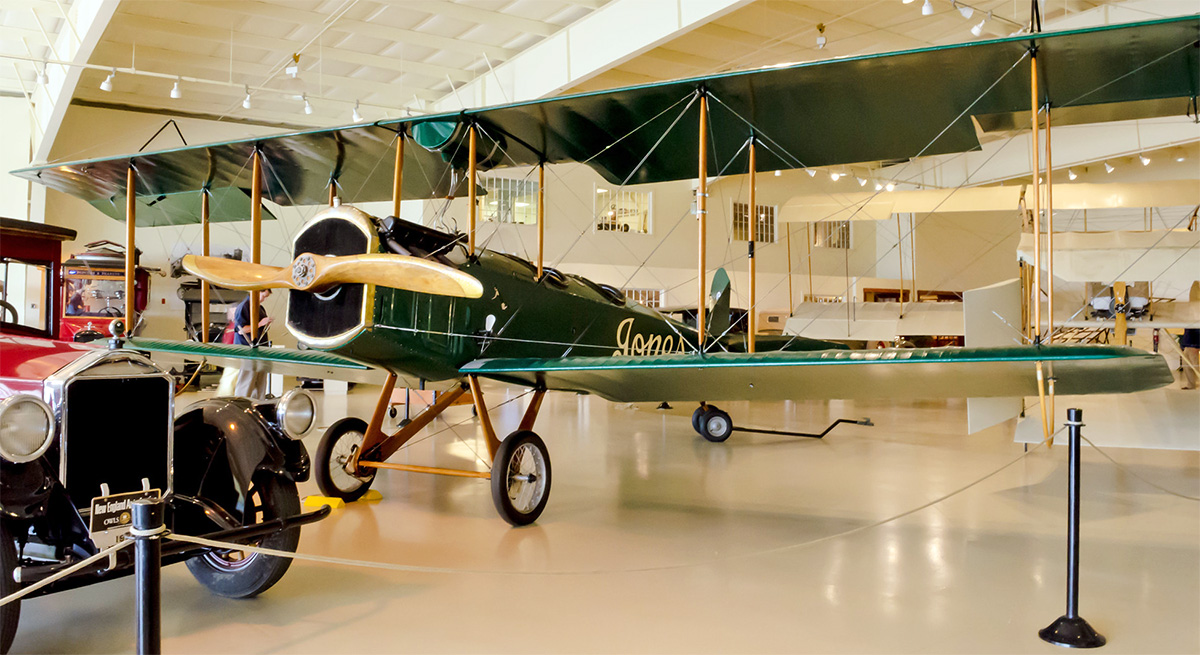
“Owls Head Transportation Museum” by Kristin Shoemaker, CC BY-ND 2.0 (creativecommons.org/licenses)
Owls Head Transportation Museum – Owls Head
The non-profit Owls Head Museum features a world-class collection of antique cars, motorcycles, aircraft, bicycles, and more. A highlight is the French Nieuport 17, the first aircraft to use a mass-produced machine gun capable of firing through a spinning propeller. Among the many vintage vehicles is an original 1952 Willys-Overland M38 Jeep. The museum offers free admission to all active U.S. military members, their dependents, and all veterans.
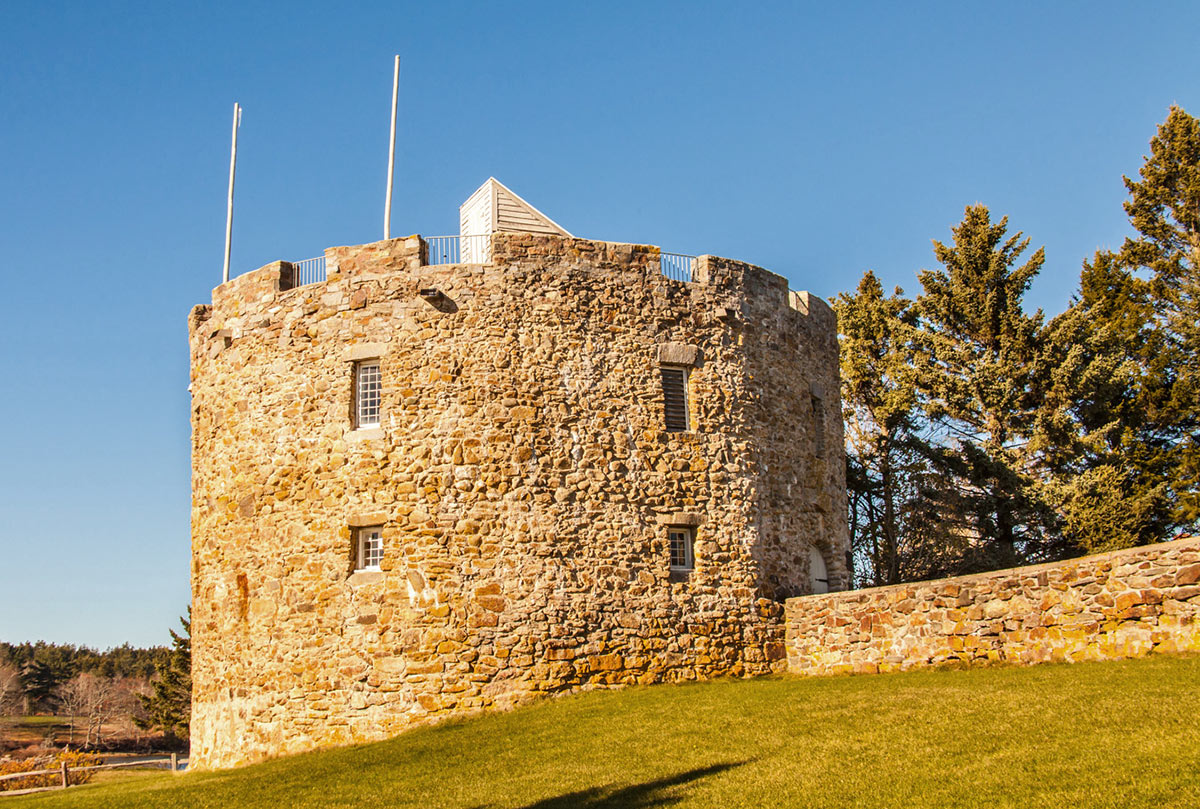
“Fort William Henry” by Paul VanDerWerf, CC BY 2.0 (creativecommons.org/licenses)
Colonial Pemaquid State Historic Site – Bristol
Located on the scenic Pemaquid Peninsula, this site preserves the remains of an important 17th century English frontier settlement. A visitor center, small museum, and the partially reconstructed Fort William Henry offer a glimpse into daily life shaped by trade, conflict, and the sea. Colonial Pemaquid was designated a National Historic Landmark in 1993.
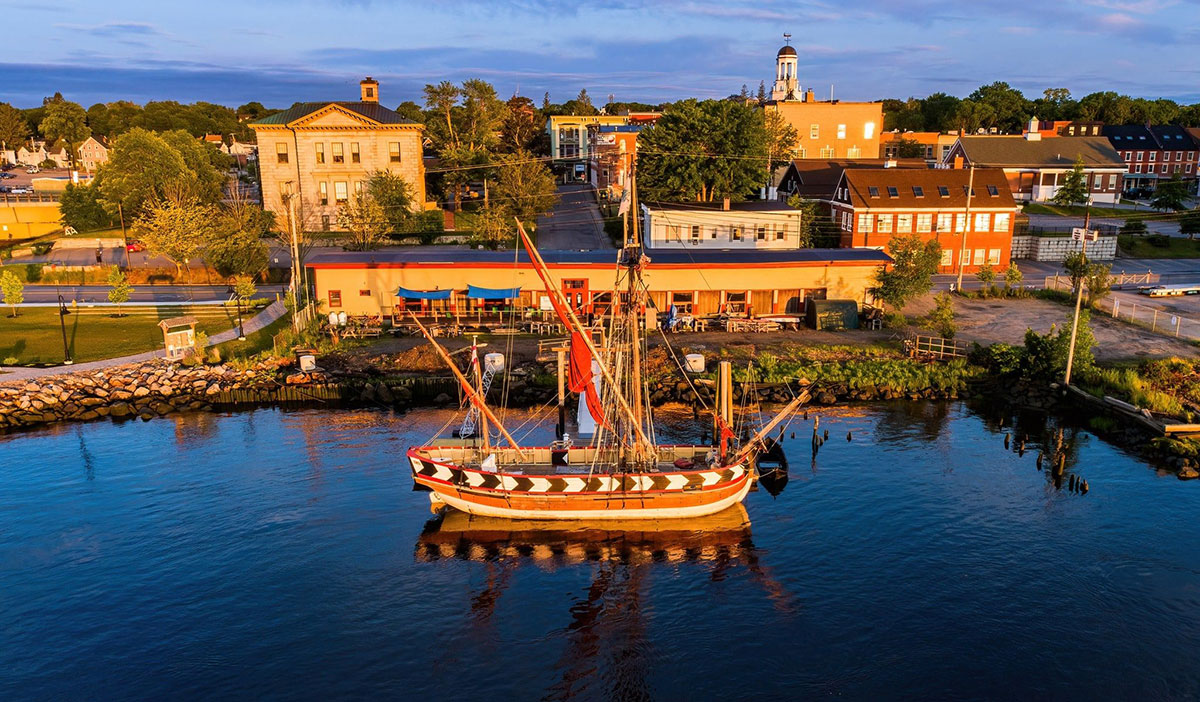
The 1607 Virginia at the Bath Freight Shed, image courtesy of mfship.org
The 1608 Virginia, America’s First Ship – Bath
America’s love affair with shipbuilding began in the spring of 1608, when the Popham colonists launched a 51-ft ship named the Virginia. The Virginia was seaworthy and sailed to England the following year, making it America’s first ocean-going vessel. A replica of the 1607 Virginia pinnacle ship now serves as a museum and floating classroom. At the Jane Stevens Visitor Center in Bath, you can see a faithful recreation of the four-century-old craftsmanship of the early Popham colonists.
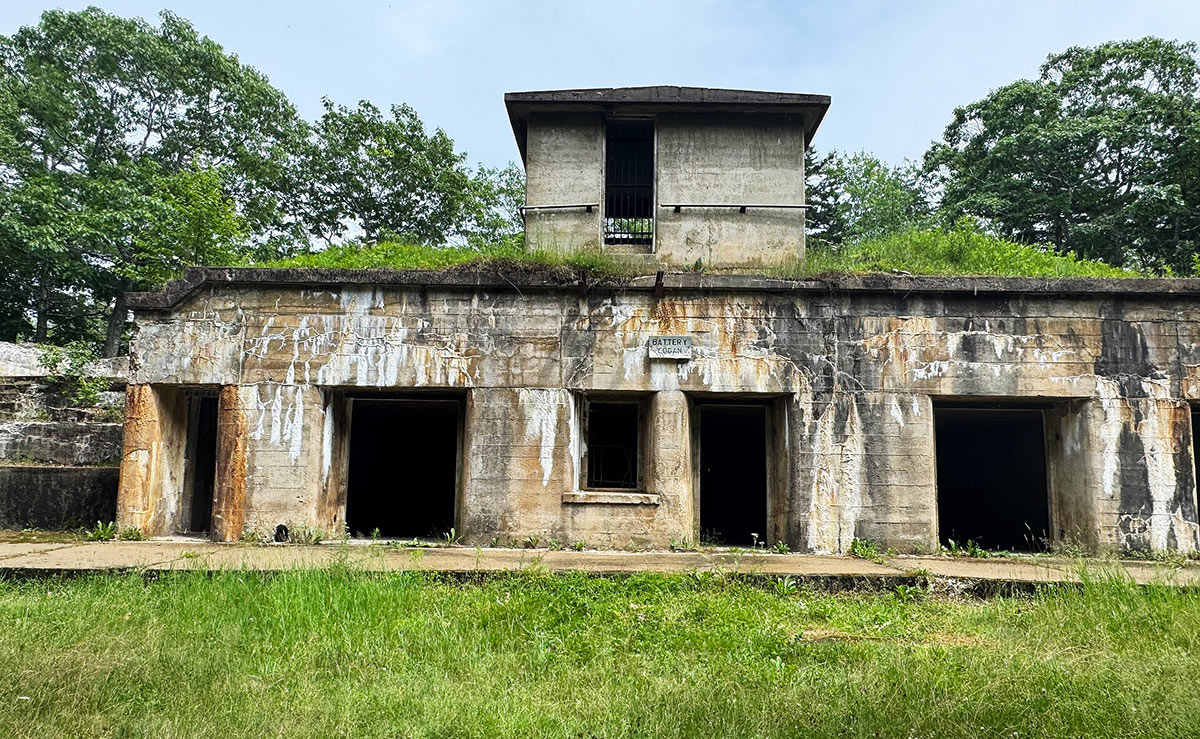
Fort Baldwin in Phippsburg by ÉlieJackson, own work, CC BY 4.0 (creativecommons.org/licenses)
Fort Baldwin – Phippsburg
Fort Baldwin was manned during both World Wars to protect the entrance to the Kennebec River and the Navy ships being built by Bath Iron Works. Its three separate six-inch gun batteries were intentionally covered with earth to hide them as much as possible. To reach the fort, take a gradual 10-minute uphill hike from a lofty position on the summit of Sabino Hill. There are scenic ocean views, and you can walk through the passageways of the three concrete batteries carved into the hillside.